
Szakadási szilárdság vizsgálata ez az eljárás elengedhetetlen az anyagok tartósságának és teljesítményének értékeléséhez, különösen olyan iparágakban, mint a csomagolóipar, a textilipar és a műanyagipar. A vizsgálat azt méri, hogy egy anyag – például műanyag fóliák vagy lemezek – mennyire képes ellenállni a szakadásnak, amikor terhelés éri. Értékes adatokat szolgáltat a gyártók és a minőség-ellenőrzési csapatok számára, hogy biztosíthassák termékeik épségét és megbízhatóságát.
Ebben a cikkben azt vizsgáljuk, hogy milyen fontos szakítószilárdság vizsgálata, különös tekintettel a Graves Tear Test és ASTM D1004, amely az anyagok szakadási szilárdságának mérésére szolgáló, széles körben elismert szabvány. Ezenkívül azt is megvizsgáljuk, hogy szakadási szilárdságmérők kulcsfontosságú szerepet játszanak a termékek teljesítményének értékelésében és az iparági szabványoknak való megfelelés biztosításában.
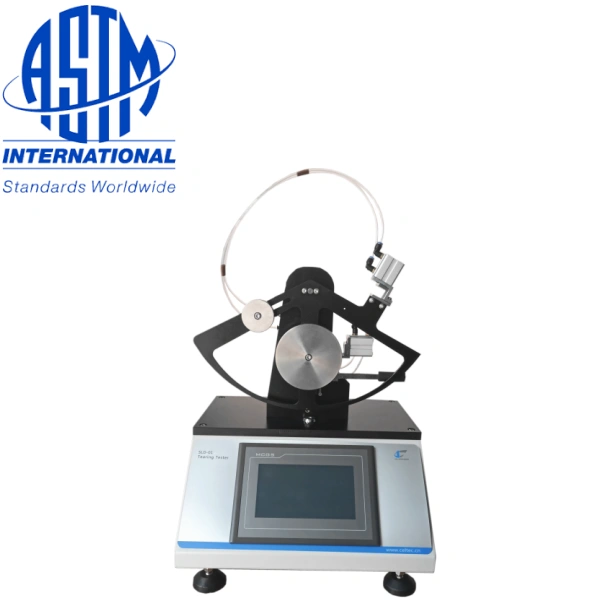
ASTM D1004: Szakadási szilárdság vizsgálatára vonatkozó szabvány
ASTM D1004 Ez egy szabványos vizsgálati módszer, amelyet rugalmas műanyag fóliák és lemezek szakadási szilárdságának meghatározására alkalmaznak. Ez a vizsgálat különösen fontos azokban az iparágakban, ahol a csomagolóanyagok használat közben különféle mechanikai igénybevételnek vannak kitéve. A módszer célja annak a erőnek a mérése, amely alacsony terhelési sebesség mellett (körülbelül 51 mm/perc) az anyagok szakadását kiváltja.
Az ASTM D1004 szabvány legfontosabb szempontjai:
- A minta geometriája: A vizsgálat azt méri, hogy mekkora erőre van szükség ahhoz, hogy egy adott geometria mentén szakadás keletkezzen, ami egy koncentrált feszültségi területet hoz létre.
- Erőmérés: A szakadás kialakulását kiváltó erőt a következőképpen rögzítik: newton vagy font-erő, amely értékes információkat nyújt az anyag szakadási szilárdságáról.
- Alkalmas rugalmas fóliákhoz: Ez a vizsgálati módszer különösen alkalmas olyan rugalmas műanyag fóliák és lemezek esetében, amelyek a vizsgálat során nem törnek el, és a vizsgálat során legfeljebb 200%-vel nyúlnak meg.
Az ASTM D1004 szabvány megbízható és szabványosított módszert biztosít különböző, hasonló összetételű anyagok szakadási szilárdságának összehasonlításához. Fontos azonban megjegyezni, hogy szakítószilárdság nem csupán a mintadarab vastagságával áll összefüggésben; más anyagjellemzők, például a rugalmasság és a szakítószilárdság is jelentős szerepet játszanak.
A Graves-könnyteszt: a könnyállóság mérésének kritikus módszere
A Graves Tear Test egy másik, széles körben alkalmazott módszer a szakadási szilárdság meghatározására, különösen műanyag fóliák és lemezek esetében. Szoros kapcsolatban áll az ASTM D1004 szabvánnyal, de a vizsgálati eljárás és a minták geometriája tekintetében eltér tőle. A Graves Tear Test megméri azt az erőt, amely az anyag szakadásának kiváltásához és terjedéséhez szükséges, és részletes információt nyújt az anyag szakadásállóságáról.
Ez a vizsgálat rendkívül fontos a csomagolóanyagokat gyártó iparágak számára, ahol a szakadásállóság elengedhetetlen a termék védelme és szerkezeti integritása szempontjából. A Graves Tear Test széles körben használják olyan anyagoknál, mint például:
- Műanyag fóliák
- Papír és karton
- Textíliák
A Graves Tear Test, a mintába bevágást ejtenek, és a vizsgálati gép megméri a szakadás terjedéséhez szükséges erőt. Ez a szakadási szilárdsági adat elengedhetetlen az anyag valós körülmények közötti szilárdságának meghatározásához.
A szakadási szilárdságmérők szerepe a minőségellenőrzésben
Szakadási szilárdságmérők a minőség-ellenőrző laboratóriumokban elengedhetetlen eszközök az anyagok szakadási szilárdságának vizsgálatához és értékeléséhez. Ezeket a műszereket úgy tervezték, hogy szabályozott erőt fejtsenek ki az anyagmintára, lehetővé téve a szakadás kialakulásához vagy terjedéséhez szükséges erő pontos mérését.
A legfontosabb jellemzői szakadási szilárdságmérő többek között:
- Pontos erőmérés: A mérőműszer megméri a mintadarab elszakításához szükséges legnagyobb erőt, amelyet newtonban vagy font-erőben adnak meg.
- A tesztelés következetessége: Ezek a mérőműszerek megismételhető eredményeket biztosítanak, ami elengedhetetlen az egyes anyag-tételek összehasonlításához, illetve az anyagok tulajdonságainak időbeli alakulásának értékeléséhez.
- Adatelemzés: Haladó szakadási szilárdságmérők részletes adatelemzéseket nyújt, beleértve a szakadási maximális erőt, a szakadási nyúlást és az egységnyi vastagságra jutó szakadási ellenállást, ezzel segítve a gyártókat az anyagjellemzők és a gyártási folyamatok optimalizálásában.
A gyártók szakadási szilárdsági vizsgálatokkal ellenőrzik, hogy termékeik megfelelnek-e az iparági szabványoknak, például ASTM D1004, valamint annak biztosítása érdekében, hogy az anyagok a valós alkalmazások során a várakozásoknak megfelelően teljesítsenek.
Az ASTM szakítószilárdsági szabvány és jelentősége az anyagvizsgálatban
Szakadási szilárdság – ASTM-szabványok például ASTM D1004 elengedhetetlenek ahhoz, hogy az anyagok megfeleljenek a szakadási szilárdságra vonatkozó előírásoknak. Ezek a szabványok segítik a gyártókat az anyagok gyenge pontjainak felismerésében, és objektív összehasonlítási alapot nyújtanak a különböző típusú fóliák vagy anyagok értékeléséhez. A szakadási szilárdság különösen fontos olyan iparágakban, mint a csomagolóipar, az autóipar és a textilipar, ahol az anyagok integritása és teljesítménye döntő jelentőségű.
Például az élelmiszerek és gyógyászati termékek csomagolásához használt fóliáknak elegendő szakadási szilárdsággal kell rendelkezniük ahhoz, hogy kibírják a kezelést, a szállítást és a tárolást. Az ASTM-szabványnak megfelelő vizsgálati módszerek alkalmazásával a gyártók biztosíthatják, hogy csomagolóanyagaik ne szakadjanak el könnyen, így megvédve a tartalmat a szennyeződéstől vagy a károsodástól.
Következtetés: Miért fontos a szakadási szilárdság vizsgálata?
Szakadási szilárdság vizsgálata ez az eljárás elengedhetetlen az anyagok tartósságának és megbízhatóságának meghatározásához számos iparágban. Olyan módszerek alkalmazásával, mint ASTM D1004 és a Graves Tear Test, a gyártók értékes információkat szerezhetnek az anyagok szakadási szilárdságáról, ami lehetővé teszi számukra a terméktervezés javítását és a minőségi előírások betartásának biztosítását.
A legmodernebb technológiák beépítésével szakadási szilárdságmérők A minőség-ellenőrzési folyamatba való beépítés elengedhetetlen az állandó és megbízható eredmények eléréséhez. Ezek a műszerek pontos szakadási szilárdságméréseket biztosítanak, lehetővé téve a gyártók számára, hogy olyan kiváló minőségű termékeket állítsanak elő, amelyek megfelelnek az adott iparágak követelményeinek.
Ezeknek a vizsgálati módszereknek és eszközöknek a kihasználásával a gyártók javíthatják a termékek teljesítményét, növelhetik a vevői elégedettséget, és csökkenthetik az anyaghibákból eredő termékmeghibásodások kockázatát. A megbízható szakadási szilárdsági vizsgálatokba való befektetés kulcsfontosságú lépés a termékek kiválóságának elérése és a kritikus alkalmazásokban használt anyagok hosszú élettartamának biztosítása felé.