
En prueba de desgarro del tejido es una prueba fundamental que se utiliza para medir la durabilidad y la resistencia de los tejidos en diversas aplicaciones. Ya sea para la fabricación textil, el control de calidad o la selección de materiales, comprender resistencia al desgarro del tejido es fundamental. En este artículo, abordaremos el método de ensayo de resistencia al desgarro de tejidos, ASTM D751, y el prueba de resistencia al desgarro trapezoidal, ayudando a los profesionales del sector textil a realizar ensayos eficaces de los materiales y a garantizar la durabilidad de los tejidos.
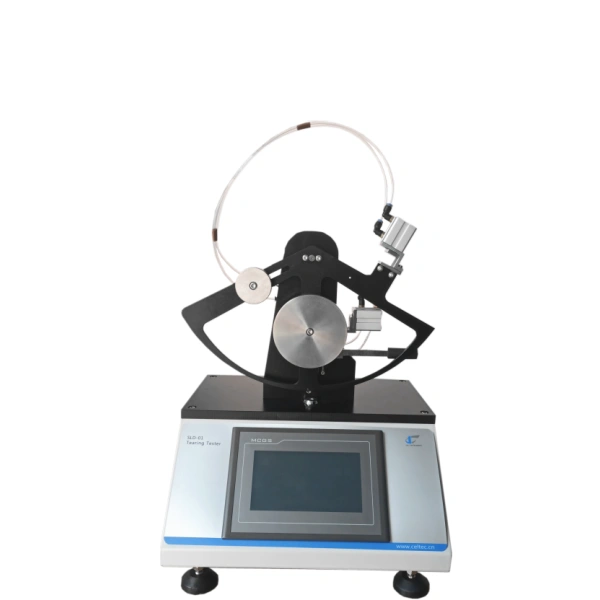
¿Qué es una prueba de resistencia al desgarro del tejido?
En prueba de desgarro del tejido consiste en determinar la resistencia del tejido al desgarro en condiciones específicas. Este ensayo es fundamental para evaluar la capacidad de un material para soportar las tensiones físicas durante su uso, especialmente en sectores como el de la confección, la tapicería y los textiles industriales. Al evaluar la resistencia al desgarro del tejido, los fabricantes pueden garantizar que los materiales utilizados en sus productos resistirán el desgaste diario.
La resistencia al desgarro se puede medir mediante diversos métodos, entre los que se incluyen ASTM D751 y el prueba del desgarro trapezoidal. Cada método ofrece información diferente sobre la resistencia del tejido al desgarro, y comprender los requisitos específicos de cada ensayo es fundamental para obtener resultados precisos.
Resistencia al desgarro de los tejidos: métodos de ensayo fundamentales
Uno de los aspectos fundamentales de la prueba de desgarro del tejido es la medida de resistencia al desgarro del tejido. El resistencia al desgarro se refiere a la fuerza necesaria para romper una muestra de tejido en condiciones específicas. Esto es importante para determinar el rendimiento del tejido en aplicaciones prácticas, como en el sector del embalaje, la confección o los usos industriales.
Estos son algunos de los métodos de ensayo más habituales para determinar la resistencia al desgarro de los tejidos:
ASTM D751: Métodos de ensayo estándar para tejidos recubiertos
ASTM D751 describe los métodos de ensayo normalizados para los tejidos recubiertos y desempeña un papel importante a la hora de determinar resistencia al desgarro. El procedimiento de ensayo implica el uso de un método de ensayo de tracción, en la que se coloca una muestra de tejido en una máquina de ensayo y se le aplica una fuerza hasta que se rompe. El ensayo se lleva a cabo tirando del tejido en una dirección uniforme para determinar su resistencia a la rotura.
Este método se utiliza habitualmente para tejidos recubiertos, y los resultados de las pruebas ayudan a los fabricantes a determinar la durabilidad del tejido en condiciones adversas. El resistencia al desgarro del tejido La resistencia medida mediante este método es fundamental para sectores como el automovilístico, el náutico y el de equipamiento para actividades al aire libre, donde la durabilidad de los tejidos es primordial.
Ensayo de resistencia al desgarro trapezoidal
En prueba de resistencia al desgarro trapezoidal es otro método muy utilizado para evaluar resistencia al desgarro del tejido. En este ensayo, se corta una muestra de tejido en forma rectangular y se traza un trapecio isósceles en el centro del tejido. Se realiza un pequeño corte a lo largo de la base del trapecio. A continuación, se coloca el tejido en la máquina de ensayo y se aplica una fuerza para rasgar el tejido a lo largo del corte trapezoidal.
Este método resulta especialmente útil para tejidos con una elevada resistencia a la tracción, ya que ofrece una medición más precisa de la resistencia al desgarro. Los resultados del prueba del desgarro trapezoidal ofrecen información sobre la capacidad del tejido para resistir el desgarro cuando se somete a una gran tensión.
La importancia de los ensayos de rasgado para la durabilidad de los tejidos
Prueba de resistencia al desgarro es fundamental para evaluar el resistencia al desgarro del tejido, especialmente en aplicaciones en las que los tejidos están sometidos a una abrasión, un estiramiento o un desgarro constantes. Los resultados de la prueba de desgarro ayudan a los fabricantes a seleccionar los materiales adecuados para aplicaciones específicas, garantizando que el tejido cumpla con los estándares de durabilidad exigidos.
En sectores como el de la confección, el embalaje y la tapicería, la resistencia de los tejidos al desgarro es fundamental para el rendimiento del producto. Por ejemplo, en el sector del embalaje, el resistencia al desgarro Las características del material garantizan que pueda soportar la manipulación y el transporte sin que se vea comprometida la integridad del producto que contiene.
¿Por qué elegir Cell Instruments para los ensayos de rotura de tejidos?
Para realizar ensayos precisos y fiables de tejidos, Cell Instruments ofrece una amplia gama de comprobadores de lágrimas que cumplen con las normas ASTM. Nuestros comprobadores de lágrimas están diseñados para proporcionar mediciones precisas de resistencia al desgarro del tejido, lo que los convierte en la opción ideal para los profesionales de los sectores textil y del control de calidad.
Tanto si necesitas realizar un prueba de resistencia al desgarro trapezoidal o evaluar resistencia al desgarro según la norma ASTM D751, nuestras soluciones avanzadas de ensayo le ayudarán a obtener resultados precisos y reproducibles.
Conclusión: Ensayos de resistencia al desgarro y durabilidad del tejido
En prueba de desgarro del tejido es un proceso esencial para evaluar resistencia al desgarro del tejido, garantizando que los materiales cumplan con los estándares de durabilidad exigidos para diversas aplicaciones. Mediante la aplicación de normas como ASTM D751 y el prueba de resistencia al desgarro trapezoidal, los fabricantes pueden tomar decisiones fundamentadas sobre la selección de materiales y el control de calidad.
En Cell Instruments, nos dedicamos a ofrecer instrumentos de ensayo de alta calidad para ayudarle a medir con precisión la resistencia y la durabilidad de los tejidos. Si necesita más información sobre comprobadores de lágrimas o si necesita otras soluciones de pruebas, póngase en contacto con nosotros hoy mismo.