
O ensaio de rasgamento do tecido é um teste essencial utilizado para avaliar a durabilidade e a resistência dos tecidos em diversas aplicações. Seja na produção têxtil, no controlo de qualidade ou na seleção de materiais, compreender resistência ao rasgamento do tecido é fundamental. Neste artigo, vamos abordar o método de ensaio de resistência ao rasgamento de tecidos, ASTM D751, e o ensaio de resistência ao rasgamento trapezoidal, ajudando os profissionais da indústria têxtil a realizar ensaios eficazes aos materiais e a garantir a durabilidade dos tecidos.
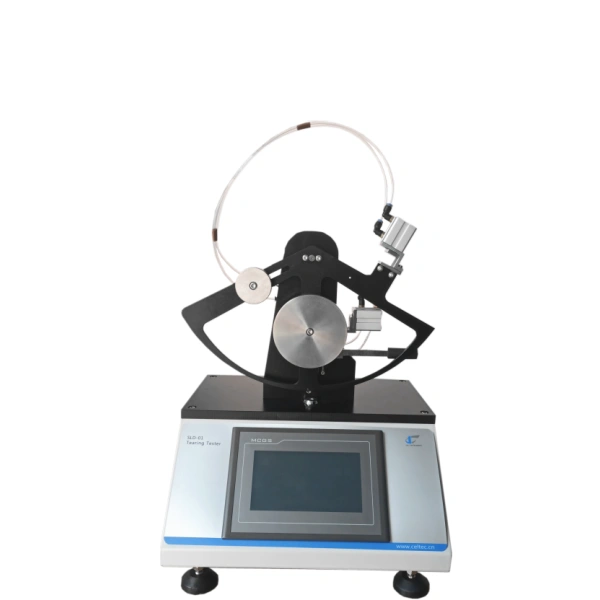
O que é um teste de resistência ao rasgo do tecido?
O ensaio de rasgamento do tecido consiste em determinar a resistência do tecido ao rasgo em condições específicas. Este ensaio é fundamental para avaliar a capacidade de um material para suportar esforços físicos durante a utilização, nomeadamente em setores como o do vestuário, dos estofos e dos têxteis industriais. Ao avaliar a resistência ao rasgamento do tecido, os fabricantes podem garantir que os materiais utilizados nos seus produtos resistirão ao desgaste diário.
A resistência ao rasgo pode ser medida através de vários métodos, incluindo ASTM D751 e o teste do rasgo trapezoidal. Cada método fornece informações diferentes sobre a resistência do tecido ao rasgo, e compreender os requisitos específicos de cada ensaio é essencial para obter resultados precisos.
Resistência à ruptura do tecido: principais métodos de ensaio
Um dos aspetos fundamentais do ensaio de rasgamento do tecido é a medição de resistência ao rasgamento do tecido. O resistência ao rasgamento refere-se à força necessária para rasgar uma amostra de tecido em condições específicas. Este parâmetro é importante para determinar o desempenho do tecido em aplicações reais, tais como embalagens, vestuário ou utilizações industriais.
Eis alguns dos métodos de ensaio mais comuns para determinar a resistência ao rasgo dos tecidos:
ASTM D751: Métodos de ensaio normalizados para tecidos revestidos
ASTM D751 descreve os métodos de ensaio normalizados para tecidos revestidos e desempenha um papel significativo na determinação de resistência ao rasgamento. O procedimento de ensaio envolve a utilização de um método de ensaio de tração, em que uma amostra de tecido é colocada numa máquina de ensaio e submetida a uma força até se romper. O ensaio é realizado puxando o tecido numa direção uniforme, a fim de determinar a sua resistência à ruptura.
Este método é normalmente utilizado para tecidos revestidos, e os resultados dos ensaios ajudam os fabricantes a determinar a durabilidade do tecido em condições adversas. O resistência ao rasgamento do tecido A durabilidade medida através deste método é fundamental para setores como o automóvel, o náutico e o de equipamento para atividades ao ar livre, onde a resistência dos tecidos é essencial.
Ensaio de resistência ao rasgamento trapezoidal
O ensaio de resistência ao rasgamento trapezoidal é outro método frequentemente utilizado para avaliar resistência ao rasgamento do tecido. Neste ensaio, uma amostra de tecido é cortada em forma retangular e é marcado um trapézio isósceles no centro do tecido. É feito um pequeno corte ao longo da base do trapézio. O tecido é então colocado na máquina de ensaio e é aplicada uma força para rasgar o tecido ao longo do corte trapezoidal.
Este método é particularmente útil para tecidos com elevada resistência à tração, uma vez que proporciona uma medição mais precisa da resistência ao rasgo. Os resultados do teste do rasgo trapezoidal fornecem informações sobre a capacidade do tecido de resistir ao rasgo quando submetido a uma tensão elevada.
Importância dos ensaios de resistência ao rasgo para a durabilidade dos tecidos
Teste de lágrimas é fundamental para avaliar o resistência ao rasgamento do tecido, especialmente em aplicações em que os tecidos são sujeitos a abrasão, alongamento ou rasgamento constantes. Os resultados do ensaio de rasgo ajudam os fabricantes a selecionar os materiais adequados para aplicações específicas, garantindo que o tecido cumpre os padrões de durabilidade exigidos.
Em setores como o do vestuário, das embalagens e dos estofos, a resistência dos tecidos ao rasgo é fundamental para o desempenho do produto. Por exemplo, no setor das embalagens, o resistência ao rasgamento O material garante que o produto resista ao manuseamento e ao transporte sem comprometer a integridade do produto no seu interior.
Por que escolher a Cell Instruments para ensaios de resistência ao rasgo de tecidos?
Para a realização de ensaios precisos e fiáveis em tecidos, Cell Instruments oferece uma vasta gama de testadores de lágrimas que cumprem as normas ASTM. Os nossos testadores de lágrimas foram concebidos para fornecer medições precisas de resistência ao rasgamento do tecido, tornando-os ideais para profissionais dos setores têxtil e de controlo de qualidade.
Quer precise de realizar uma ensaio de resistência ao rasgamento trapezoidal ou avaliar resistência ao rasgo, de acordo com a norma ASTM D751, as nossas soluções avançadas de ensaio irão ajudá-lo a obter resultados precisos e reproduzíveis.
Conclusão: Ensaios de rasgo e durabilidade do tecido
O ensaio de rasgamento do tecido é um processo essencial para avaliar resistência ao rasgamento do tecido, garantindo que os materiais cumprem as normas de durabilidade exigidas para diversas aplicações. Ao utilizar normas como ASTM D751 e o ensaio de resistência ao rasgamento trapezoidal, os fabricantes podem tomar decisões informadas sobre a seleção de materiais e o controlo de qualidade.
Em Cell Instruments, estamos empenhados em fornecer instrumentos de ensaio de alta qualidade para o ajudar a medir com precisão a resistência e a durabilidade dos tecidos. Se precisar de mais informações sobre testadores de lágrimas ou outras soluções de testes, contacte-nos hoje mesmo.