
The test rozdarcia tkaniny jest podstawową metodą oceny służącą do pomiaru trwałości i wytrzymałości tkanin w różnych zastosowaniach. Niezależnie od tego, czy chodzi o produkcję tekstyliów, kontrolę jakości czy dobór materiałów, zrozumienie wytrzymałość tkaniny na rozerwanie ma kluczowe znaczenie. W tym artykule omówimy metoda badania wytrzymałości tkaniny na rozdarcie, ASTM D751, oraz test wytrzymałości na rozdarcie trapezowe, pomagając specjalistom z branży tekstylnej w przeprowadzaniu skutecznych badań materiałów oraz zapewnianiu trwałości tkanin.
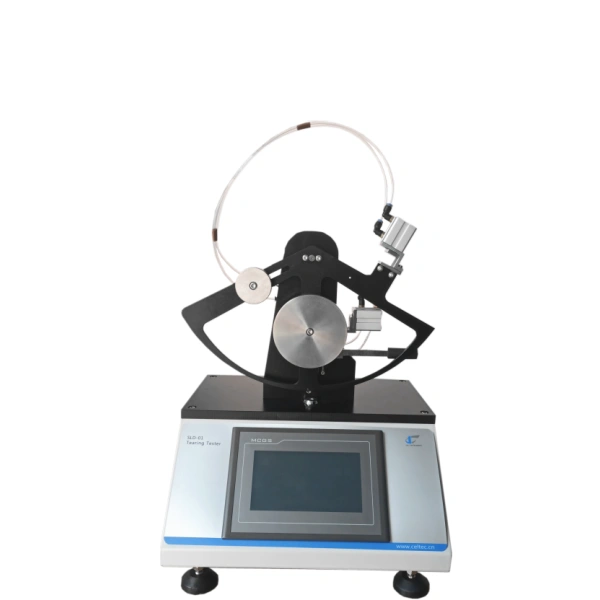
Czym jest test na rozdarcie tkaniny?
The test rozdarcia tkaniny polega na określeniu odporności tkaniny na rozdarcie w określonych warunkach. Badanie to ma kluczowe znaczenie dla oceny, w jakim stopniu materiał jest w stanie wytrzymać obciążenia fizyczne podczas użytkowania, zwłaszcza w branżach takich jak odzieżowa, tapicerska i tekstyliów przemysłowych. Poprzez ocenę wytrzymałość tkaniny na rozerwanie, dzięki temu producenci mogą mieć pewność, że materiały użyte w ich produktach wytrzymają trudy codziennego użytkowania.
Wytrzymałość na rozdarcie można mierzyć różnymi metodami, w tym ASTM D751 i test trapezowego rozdarcia. Każda z tych metod dostarcza innych informacji na temat odporności tkaniny na rozdarcie, a zrozumienie konkretnych wymagań dotyczących każdego z testów ma zasadnicze znaczenie dla uzyskania dokładnych wyników.
Wytrzymałość tkaniny na rozdarcie: podstawowe metody badawcze
Jednym z kluczowych aspektów test rozdarcia tkaniny to pomiar wytrzymałość tkaniny na rozerwanie. . wytrzymałość na rozerwanie odnosi się do siły potrzebnej do rozerwania próbki tkaniny w określonych warunkach. Jest to istotne dla oceny, jak dobrze tkanina sprawdzi się w praktycznych zastosowaniach, takich jak opakowania, odzież czy zastosowania przemysłowe.
Oto niektóre z najczęściej stosowanych metod badania wytrzymałości tkanin na rozdarcie:
ASTM D751: Normy dotyczące metod badań tkanin powlekanych
ASTM D751 określa standardowe metody badawcze dla tkanin powlekanych i odgrywa istotną rolę w ustalaniu wytrzymałość na rozerwanie. Procedura badawcza obejmuje zastosowanie metoda badania przyczepności, w którym próbkę tkaniny umieszcza się w maszynie badawczej i poddaje działaniu siły aż do momentu jej zerwania. Badanie polega na rozciąganiu tkaniny w stałym kierunku w celu określenia jej wytrzymałości na zerwanie.
Metoda ta jest zazwyczaj stosowana w przypadku tkanin powlekanych, a wyniki badań pomagają producentom określić trwałość tkaniny w trudnych warunkach. wytrzymałość tkaniny na rozerwanie Wyniki uzyskane tą metodą mają kluczowe znaczenie dla branż takich jak motoryzacyjna, morska i produkcji sprzętu outdoorowego, gdzie wytrzymałość tkanin ma zasadnicze znaczenie.
Test wytrzymałości na rozdarcie trapezowe
The test wytrzymałości na rozdarcie trapezowe jest to kolejna powszechnie stosowana metoda oceny wytrzymałość tkaniny na rozerwanie. W tym badaniu próbkę tkaniny wycina się w kształcie prostokąta, a następnie w jej środku zaznacza się trapez równoramienny. Wzdłuż podstawy trapezu wykonuje się niewielkie nacięcie. Następnie tkaninę umieszcza się w maszynie badawczej i przykłada siłę w celu rozerwania tkaniny wzdłuż nacięcia trapezowego.
Metoda ta jest szczególnie przydatna w przypadku tkanin o dużej wytrzymałości na rozciąganie, ponieważ pozwala na dokładniejszy pomiar odporności na rozdarcie. Wyniki test trapezowego rozdarcia dają wgląd w odporność tkaniny na rozdarcia pod wpływem dużych obciążeń.
Znaczenie badań na rozrywanie dla oceny trwałości tkanin
Badanie odporności na rozdarcie ma kluczowe znaczenie dla oceny wytrzymałość tkaniny na rozerwanie, zwłaszcza w zastosowaniach, w których tkaniny poddawane są ciągłemu ścieraniu, rozciąganiu lub rozrywaniu. Wyniki próby na rozrywanie pomagają producentom w doborze odpowiednich materiałów do konkretnych zastosowań, gwarantując, że tkanina spełnia wymagane normy trwałości.
W branżach takich jak odzieżowa, opakowaniowa i tapicerska odporność tkanin na rozrywanie ma kluczowe znaczenie dla właściwości użytkowych produktów. Na przykład w branży opakowaniowej odporność na rozdarcie Właściwości tego materiału gwarantują, że wytrzyma on przenoszenie i transport bez uszczerbku dla nienaruszalności produktu znajdującego się w środku.
Dlaczego warto wybrać Cell Instruments do badań wytrzymałości tkanin na rozdarcie?
Aby zapewnić dokładność i wiarygodność badań tkanin, Cell Instruments oferuje szeroki wybór testery łez które są zgodne z normami ASTM. Nasze testery łez zostały zaprojektowane w celu zapewnienia precyzyjnych pomiarów wytrzymałość tkaniny na rozerwanie, dzięki czemu idealnie nadają się dla specjalistów z branży tekstylnej i kontroli jakości.
Niezależnie od tego, czy chcesz wykonać test wytrzymałości na rozdarcie trapezowe lub ocenić wytrzymałość na rozdarcie zgodnie z normą ASTM D751, nasze zaawansowane rozwiązania testowe pomogą Państwu uzyskać dokładne i powtarzalne wyniki.
Wnioski: Badanie odporności na rozdarcie i trwałość tkaniny
The test rozdarcia tkaniny jest niezbędnym procesem służącym do oceny wytrzymałość tkaniny na rozerwanie, dbając o to, by materiały spełniały wymagane normy trwałości dla różnych zastosowań. Dzięki wykorzystaniu norm takich jak ASTM D751 i test wytrzymałości na rozdarcie trapezowe, dzięki temu producenci mogą podejmować świadome decyzje dotyczące doboru materiałów i kontroli jakości.
Przy Cell Instruments, naszym celem jest dostarczanie wysokiej jakości przyrządów pomiarowych, które pomogą Państwu dokładnie mierzyć wytrzymałość i trwałość tkanin. Jeśli potrzebują Państwo więcej informacji na temat testery łez lub inne rozwiązania testowe, skontaktuj się z nami już dziś.