
Tear proof paper is a type of paper designed to resist tearing and damage, offering enhanced durability compared to regular paper. It finds widespread use in various industries, particularly in packaging, textiles, and protective materials, where strength and resistance to wear are essential. The tear resistance of paper is a crucial property, influencing its ability to withstand environmental conditions, handling, and transportation. In this article, we explore the tear resistance test of paper, the significance of Elmendorf tear strength testers, and the relevant standards like ASTM D624 to measure tearing resistance.
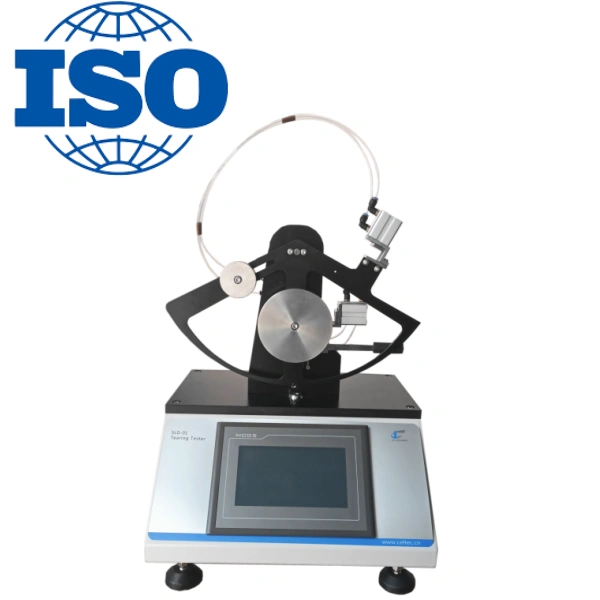
Elmendorf Tear Strength Tester: A Vital Tool for Measuring Tear Resistance
When it comes to evaluating the durability of paper, the Elmendorf tear strength tester is one of the most widely used instruments. This tool helps measure the tear resistance of paper, which is a vital property in determining how well the material will perform in real-world applications.
What is the Elmendorf Tear Strength Tester?
The Elmendorf tear strength tester measures the force required to propagate a tear in a sample of paper, which provides a direct indicator of its tear resistance. The tear resistance is measured by applying a specific force to the paper until a tear starts. This testing method is used to evaluate paper and other thin materials, helping manufacturers ensure that their products meet the required durability standards.
How Does It Work?
The Elmendorf tear strength tester works by cutting a sample of paper into a specific shape, usually a rectangular strip with a notched edge. The paper sample is then clamped into the tester, and the instrument applies a sudden force to initiate the tear. The force required to tear the paper is measured and used to calculate the tear resistance.
Importance of Tear Resistance in Paper
Tear resistance is crucial for various applications where paper or paperboard is exposed to stress or handling. Strong tear resistance ensures that the paper can withstand the forces encountered during packaging, handling, and transportation. Tear proof paper is often used for applications where its durability is critical, such as in packaging materials, protective covers, and product labels.
The tear strength of paper can significantly influence the overall performance and quality of products. Paper with high tear resistance is more suitable for applications that require durability, while lower tear resistance materials may be prone to damage and failure under stress.
ASTM D624 Tear Strength Standard: Ensuring Accurate Test Results
The ASTM D624 standard is widely recognized for testing the tear strength of various materials, including paper and rubber. This standard defines the procedure for determining the tear strength of paper using a Elmendorf tear strength tester. The procedure includes detailed specifications on sample preparation, test conditions, and equipment calibration.
Key Aspects of ASTM D624
- Test Method: The ASTM D624 standard outlines the method for determining tear resistance by measuring the force required to propagate a tear in the material.
- Sample Preparation: Samples should be cut according to specific dimensions, ensuring accurate results.
- Testing Conditions: The testing environment, such as temperature and humidity, should be controlled to prevent variations in results.
- Equipment Calibration: Proper calibration of the Elmendorf tear strength tester is essential to obtain precise measurements.
Following the ASTM D624 standard helps ensure that the test results are consistent, accurate, and comparable across different materials and manufacturers.
How to Perform a Tear Resistance Test of Paper
Performing a tear resistance test on paper involves several key steps to ensure accurate and reliable results. Here’s a general overview of the testing process:
- Prepare the Sample: Cut the paper into the specified dimensions, ensuring that the sample is free from any defects or imperfections.
- Set Up the Tester: Calibrate the Elmendorf tear strength tester according to the manufacturer’s instructions, ensuring that it is properly configured for the test.
- Test the Sample: Place the sample in the tester and initiate the tear by applying force. Record the force required to initiate the tear.
- Analyze the Results: The results are typically measured in grams or force per unit area and provide insight into the material’s tear resistance.
Factors Affecting Tear Resistance
Several factors influence the tear resistance of paper, including:
- Paper Composition: The type of fibers used, such as wood pulp or synthetic fibers, can affect tear resistance.
- Thickness: Thicker paper generally exhibits higher tear resistance than thinner paper.
- Humidity and Temperature: Changes in humidity and temperature can impact the tear strength of paper, making it essential to perform tests under controlled conditions.
- Coatings and Treatments: Paper that has been coated or treated for specific applications may exhibit different tear resistance characteristics.
Applications of Tear Proof Paper
Tear proof paper is used in various industries where strength and durability are paramount. Some common applications include:
- Packaging: Packaging materials like bags, boxes, and wraps often utilize tear proof paper to ensure that products remain safe during transportation and handling.
- Labels and Tags: Products requiring high durability labels, such as outdoor equipment, often use tear-resistant paper to prevent tearing in harsh environments.
- Protective Covers: Paper-based protective covers and sheets are commonly made from materials with high tear resistance to ensure they provide adequate protection for sensitive items.
In conclusion, tear proof paper plays a vital role in ensuring the durability and strength of materials used across various industries. By using an Elmendorf tear strength tester, manufacturers can accurately assess the tear resistance of paper, ensuring that their products meet industry standards and performance requirements. Adhering to ASTM D624 standards guarantees that the tests are reliable and consistent, providing valuable insights into the material’s strength.
Cell Instruments provides high-quality Elmendorf tear strength testers, offering precise and reliable testing for tear resistance. These instruments help manufacturers ensure that their tear proof paper products are ready to meet the challenges of real-world applications.